

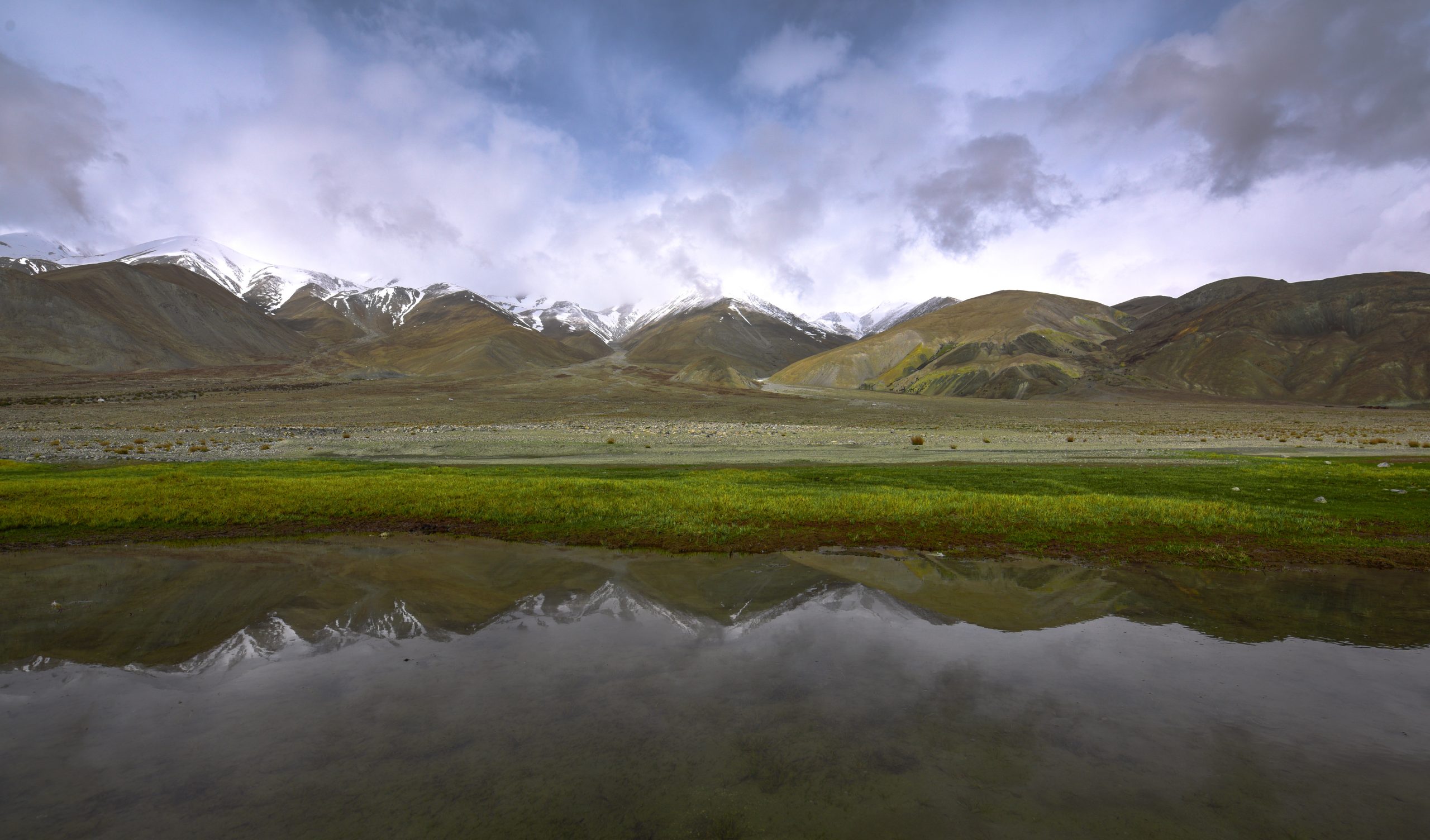
This rewrite uses the Haridwar and Rishikesh mountain theme as a starting point, then reframes it as a practical itinerary question for travelers planning a spiritually oriented foothill trip.
Table of contents
- Why the two-stop format works
- How to divide the time
- Mountain travel tips
- FAQs
Why the two-stop format works
1. Haridwar for ritual atmosphere
Haridwar gives the trip a ceremonial opening and a stronger devotional riverfront identity.
2. Rishikesh for foothill rhythm
Rishikesh adds the calmer, more flexible mountain-edge pace that makes the route feel rounded.
3. The combination
Together, the two places create more range than either one usually does alone.
How to divide the time
1. Short version
One night in Haridwar and two nights in Rishikesh usually works better than trying to split the trip evenly.
2. Longer version
Add extra time to Rishikesh if the traveler wants riverside mornings, yoga, or softer local movement.
3. What to avoid
Do not stack too many same-day excursions before the traveler has settled into the pace of the route.
Mountain travel tips
- Treat Haridwar as the ceremonial stop and Rishikesh as the breathing-space stop.
- Keep road movement realistic.
- Use mornings for quieter experiences and evenings for atmosphere.
- Leave room for slower riverside time.
FAQs
1. How many days are enough?
Three to four days is a good minimum if both places should feel meaningful.
2. Which place deserves more time?
Rishikesh usually benefits from more time because it carries a wider mix of scenery and daily flow.
3. Does this route work for first-time India travelers?
Yes, especially for travelers who want a mountain-edge journey that is not too logistically heavy.