

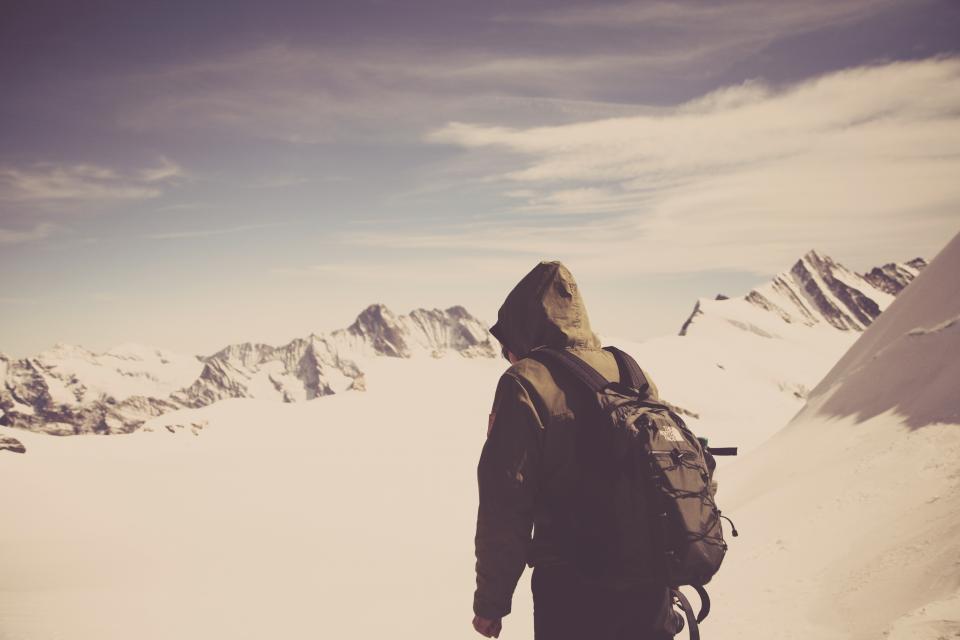
The Chadar Trek source topic is kept as the mountain theme, but the rewritten article focuses on planning logic, risk awareness, and how to approach an iconic cold-weather route more carefully.
Table of contents
- What makes Chadar Trek unusual
- The questions to answer before committing
- Preparation that deserves real attention
- Mountain travel tips
- FAQs
What makes Chadar Trek unusual
1. The frozen-river route
The path itself is part of the challenge, not just the scenery around it.
2. Extreme winter conditions
Cold is not a backdrop here. It is one of the central realities of the trip.
3. High-consequence planning
Small preparation gaps matter much more on this route than on an ordinary scenic trek.
The questions to answer before committing
1. Am I treating it as an experience or an image?
That distinction matters because the trek rewards preparation more than excitement alone.
2. Do I understand the cold and pack demands?
Equipment and body management matter as much as motivation.
3. Can I stay disciplined if conditions change?
A frozen-river route needs calm decision-making more than dramatic energy.
Preparation that deserves real attention
1. Warmth systems
Cold management is one of the foundations of the entire experience.
2. Route discipline
Rules exist for a reason on a trek where the environment is not forgiving.
3. Mental pacing
The route often rewards steadiness more than speed or bravado.
Mountain travel tips
- Treat cold readiness as a core skill, not a packing footnote.
- Respect route rules and guide judgment.
- Prepare for discomfort as well as beauty.
- Do not reduce the trek to only its visual drama.
FAQs
1. What is the first thing to understand about Chadar Trek?
That the frozen-river surface is part of the challenge and the risk.
2. Why is caution such a big part of planning?
Because environment and route conditions can change the difficulty quickly.
3. What matters most before going?
Realistic self-assessment, cold-weather preparation, and disciplined route behavior.