
This rewrite uses the Cherrapunji source topic but shifts the emphasis toward traveler experience, scenery, and how to enjoy a wet mountain destination more thoughtfully.
Table of contents
- What gives Cherrapunji its identity
- How to make the trip work better
- Mountain travel tips
- FAQs
What gives Cherrapunji its identity
1. Waterfall scenery
The waterfalls matter not only as sights but as proof of how weather shapes the whole place.
2. Living-root bridge culture
A major reason the destination feels different from a generic hill trip.
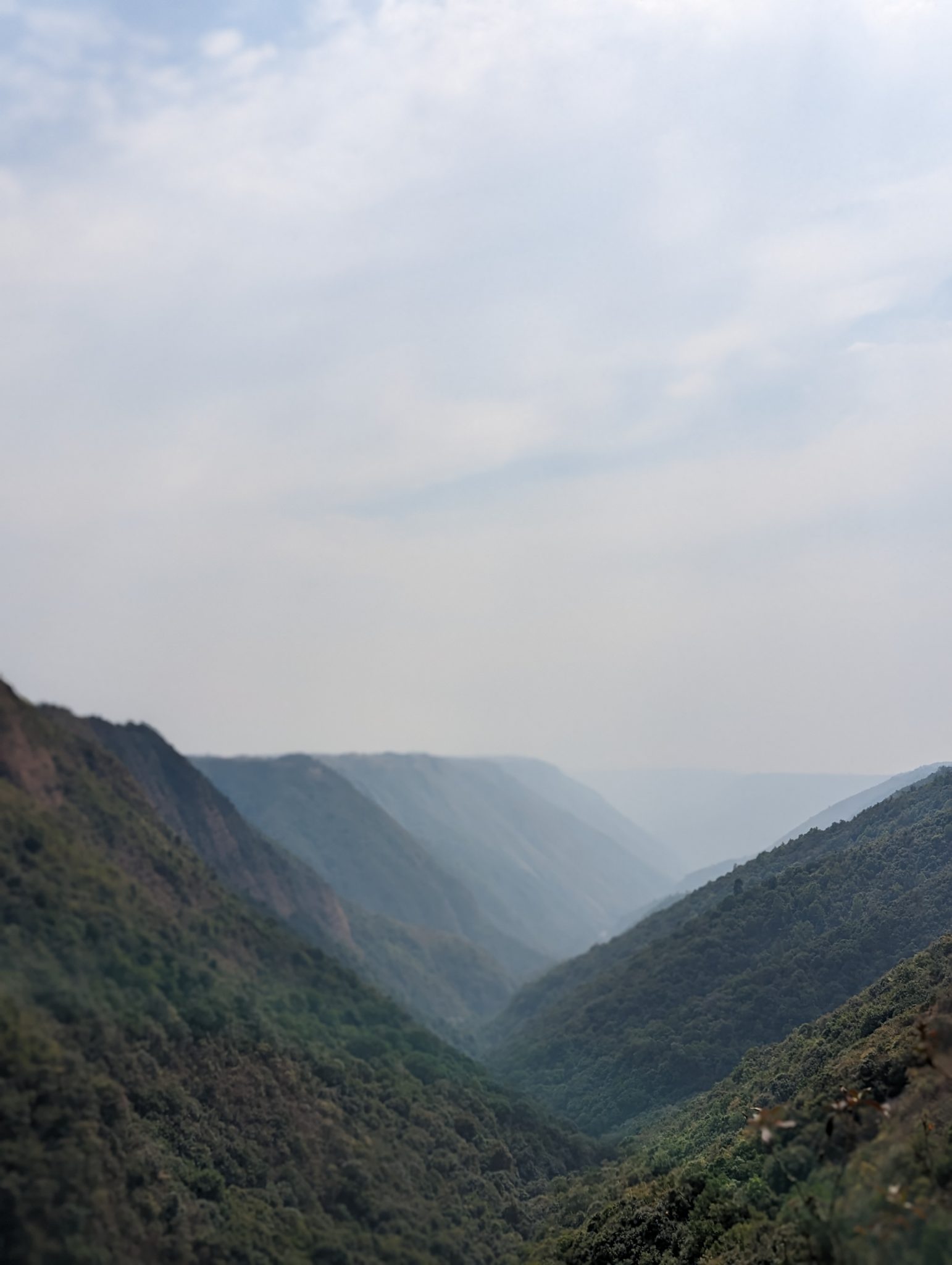
3. Cloud-and-valley viewpoints
The mood of Cherrapunji often comes from seeing how visibility changes through the day.
How to make the trip work better
1. Stay flexible around visibility
Some scenic moments appear only briefly and unpredictably.
2. Use one day for major natural stops
A concentrated scenic day often works better than constant movement.
3. Accept the weather
Trying to out-plan the rain usually weakens the destination rather than improving it.
Mountain travel tips
- Keep the schedule lighter than usual.
- Prioritize good footwear and layers.
- Use weather changes to decide stop order.
- Treat the rain as part of the destination identity.
FAQs
1. Is Cherrapunji only worth visiting in heavy rain?
No, but weather remains central to its character.
2. What makes it different from other hill destinations?
Its mix of rainfall, waterfalls, root-bridge culture, and cloud-heavy scenery.
3. How many days are enough?
Two to three days usually gives enough space for both natural highlights and the pace of the place.